ONE PRAYER IN ONE WORD
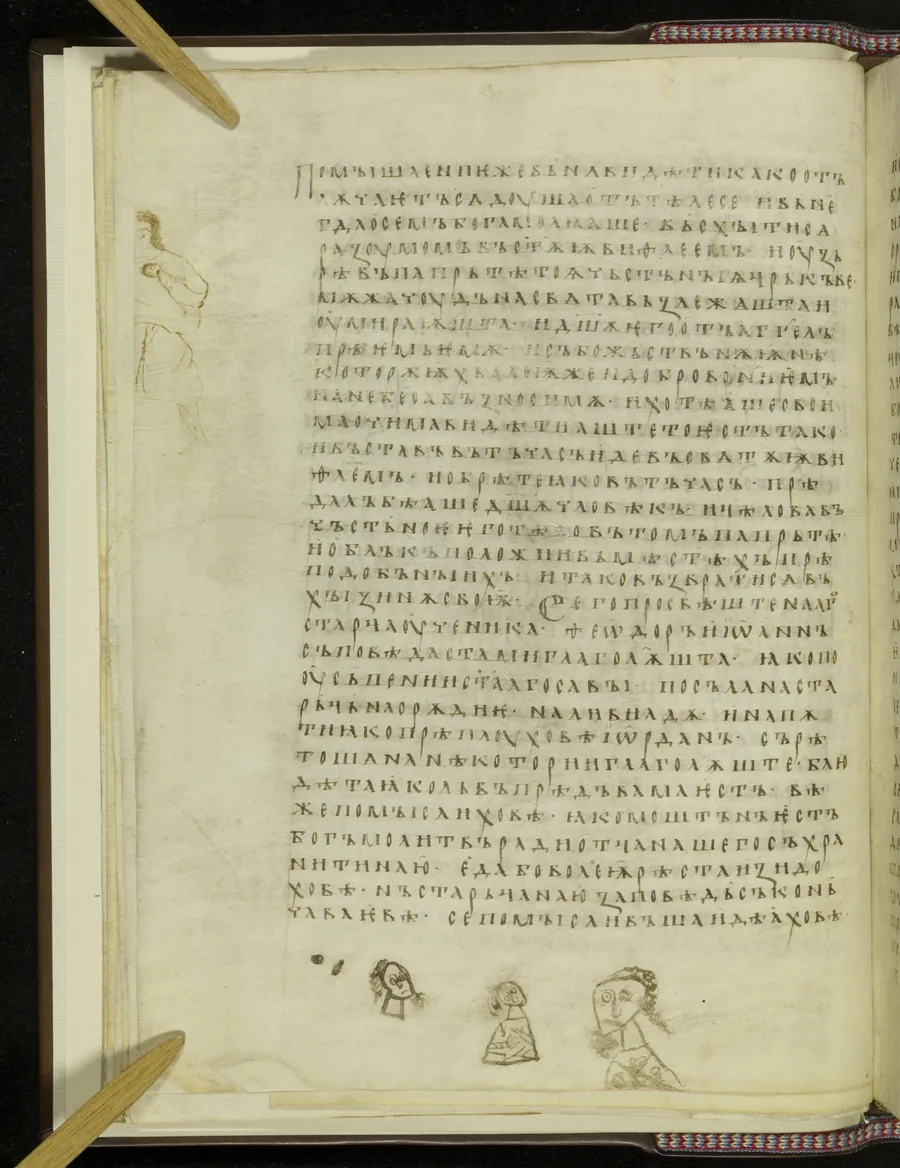
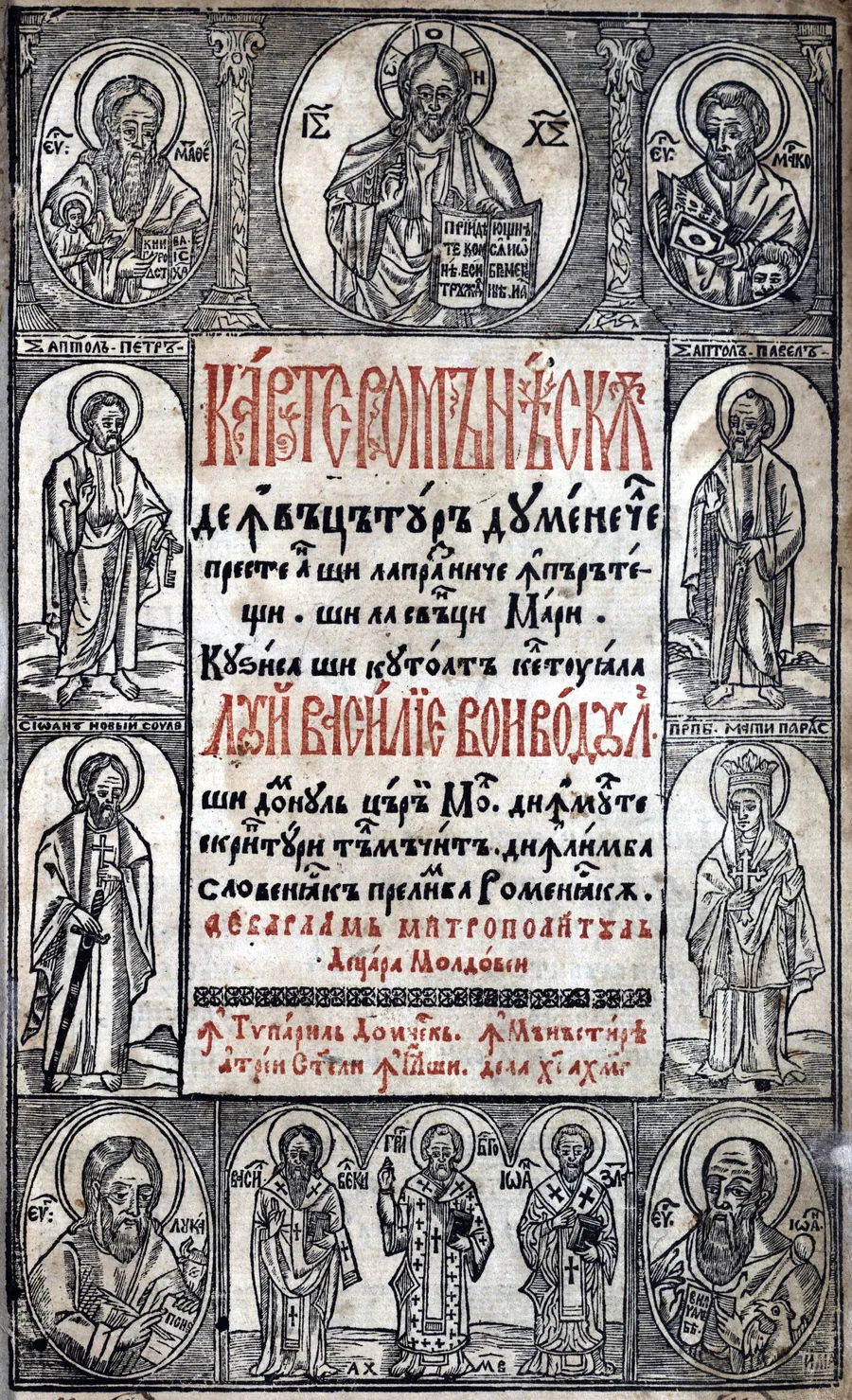
Bogdaproste: a prayer paid for with bread
Bogdaproste is a Slavic prayer fossilized into a single word — Bog da prosti, “God forgive”. It is said when receiving something as pomana, and pomana is the gift that forgives the sins of the dead.
Three Slavic words became one Romanian word:
BOGDAPROSTE
PRIMIT · prayed · 1746→TODAY
- 3→1
- three Slavic words, one Romanian word
- 1746
- Mărgăritare: the first written attestation
- Bog da prosti
- “God forgive” — the whole formula

One prayer in one word
The dictionaries say the same thing from three sides: bogdaproste is one word, it is said when receiving pomana, and it comes from Slavic Bog da prosti.
The whole formula, unsplit
Bogŭ da prostitĭ
“God forgive them (your dead)” — the DER gloss, after the educalingo mirror
The parts of the formula (BOG / DA / PROSTI) appear separately nowhere on this page: no cited Slavic grammar backs the split, so the formula stays whole.
MDA2: a single word
“bogdaproste [At: (a. 1746) MĂRGĂRITARE, ap. TDRG / E: bg бог да прости] (Pop) Cuvânt de mulțumire pentru cel care dă de pomană.”
“ap. TDRG” means the dictionary cites the attestation through TDRG; the card shows exactly what the dictionary shows.
CADE: the beggars’ formula
“BOGDAPROSTE! pop. BODAPROSTE! sau BODAPROSTI! … (rostit în spec. de cerșetori cînd li se dă ceva de pomană) … [vsl. bogŭ-da-prostitĭ]”
Four witnesses from books
ISP.
“bogdaproste! cucoane, și Dumnezeu să primească”
RET.
“zise crîșmăriței un bogdaproste”
NEGR.
“împărțind bogdaprostele”
CRG.
“ca un puiu de bogdaproste” — “copil de cerșetor, slab, prăpădit”
The quotations are the ones CADE collected; the full texts stay out.
Other spellings
- bodaproste
- bodaprosti
- bogdaprosta
- bogdaprostă
- bogdaprosti
The MDA2 paradigm, popular and regional forms.
“A zice un bogdaproste” (RET.) — the thanks used as a noun; MDA2 records the sense “Mulțumire (pentru o pomană)”.
“Pui de bogdaproste”: CADE glosses it “copil de cerșetor, slab, prăpădit”; DER proposes a different reckoning, chickens given to monasteries — the page shows both.
Slavic prostiti means “to forgive”, and old *prostiti comes from *prostъ + *-iti (Wiktionary). What *prostъ means alone runs past the cited source; this sentence stops here.
3→1 Slavic words → Romanian word


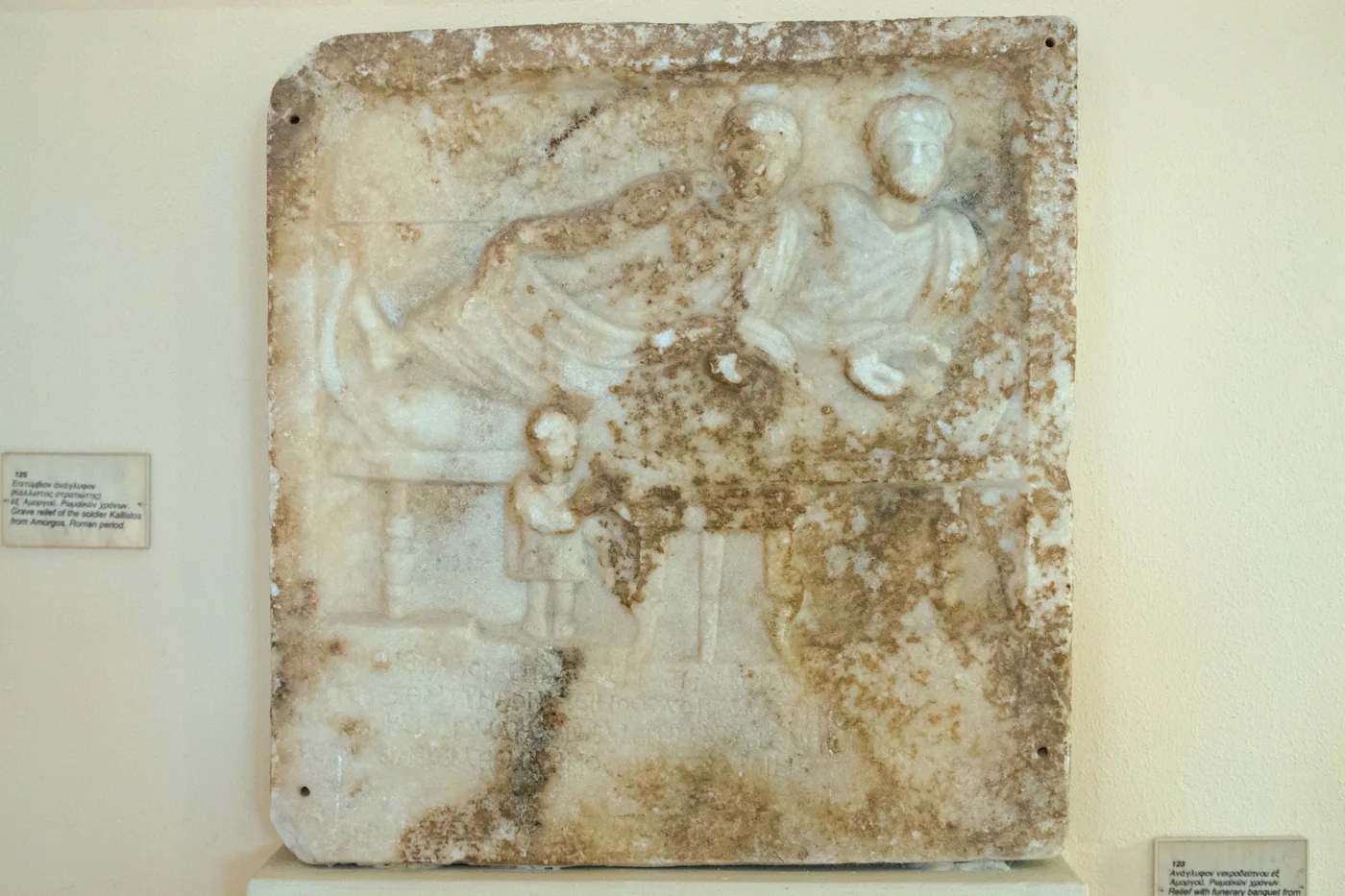
The receipt between worlds.
The meal between the living and the dead
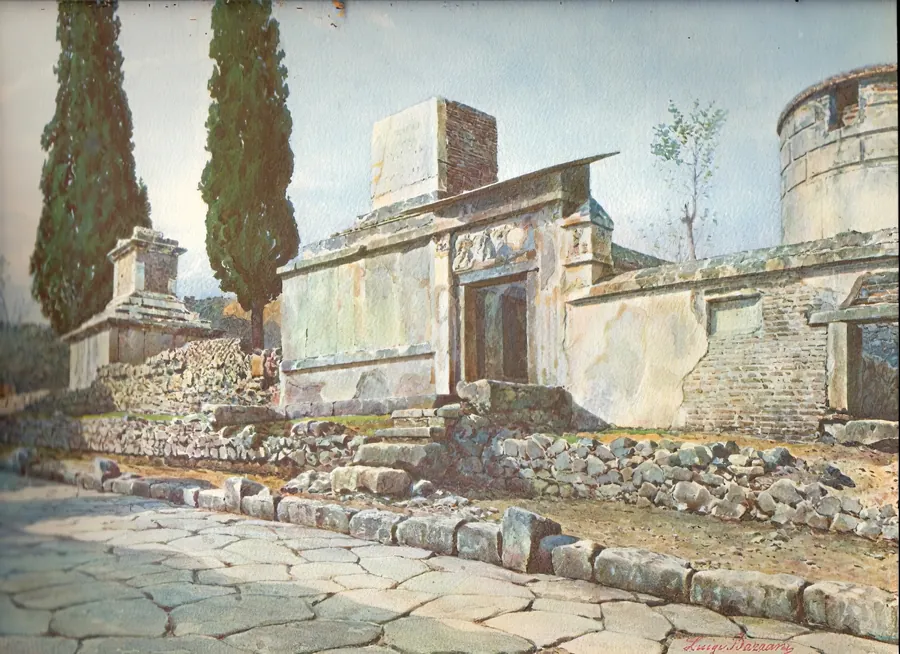
At Rome, the dead received food at the tomb once a year. In today’s Romanian, pomana is the meal given after a burial or parastas. Two documented ends of the same meal — no proven lineage.
Parentalia, 13–21 February
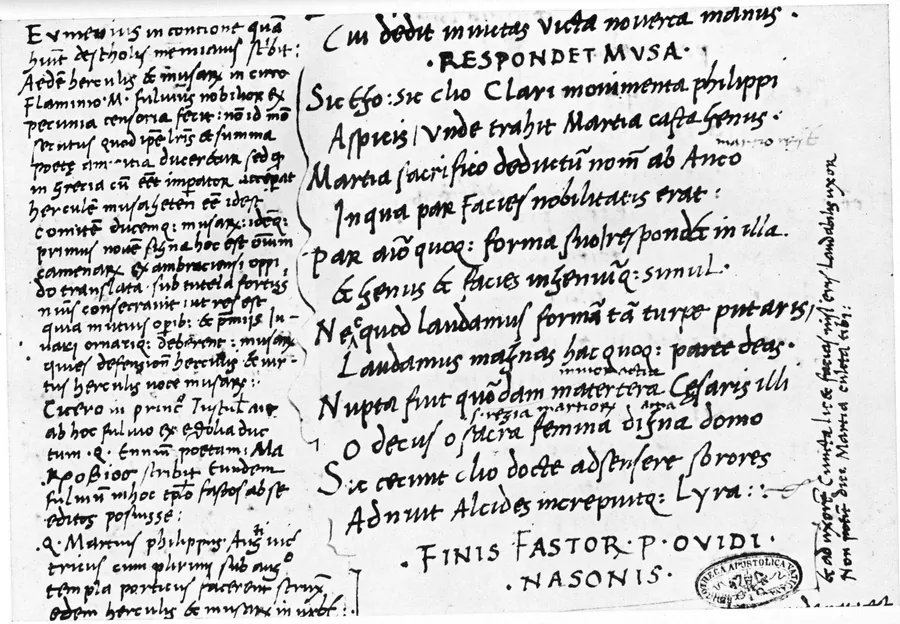
The days of the parents: between 13 and 21 February, Romans carried offerings to the tombs. The last day was called Feralia (Ovid, Fasti II 569, after Harpers).
Ovid’s offerings
A tile wreathed with garlands, meal, salt, bread soaked in wine, violets on a brick, and prayers. “Their shades ask little” (Ovid, Fasti II, Kline translation).
The meal eaten at the grave
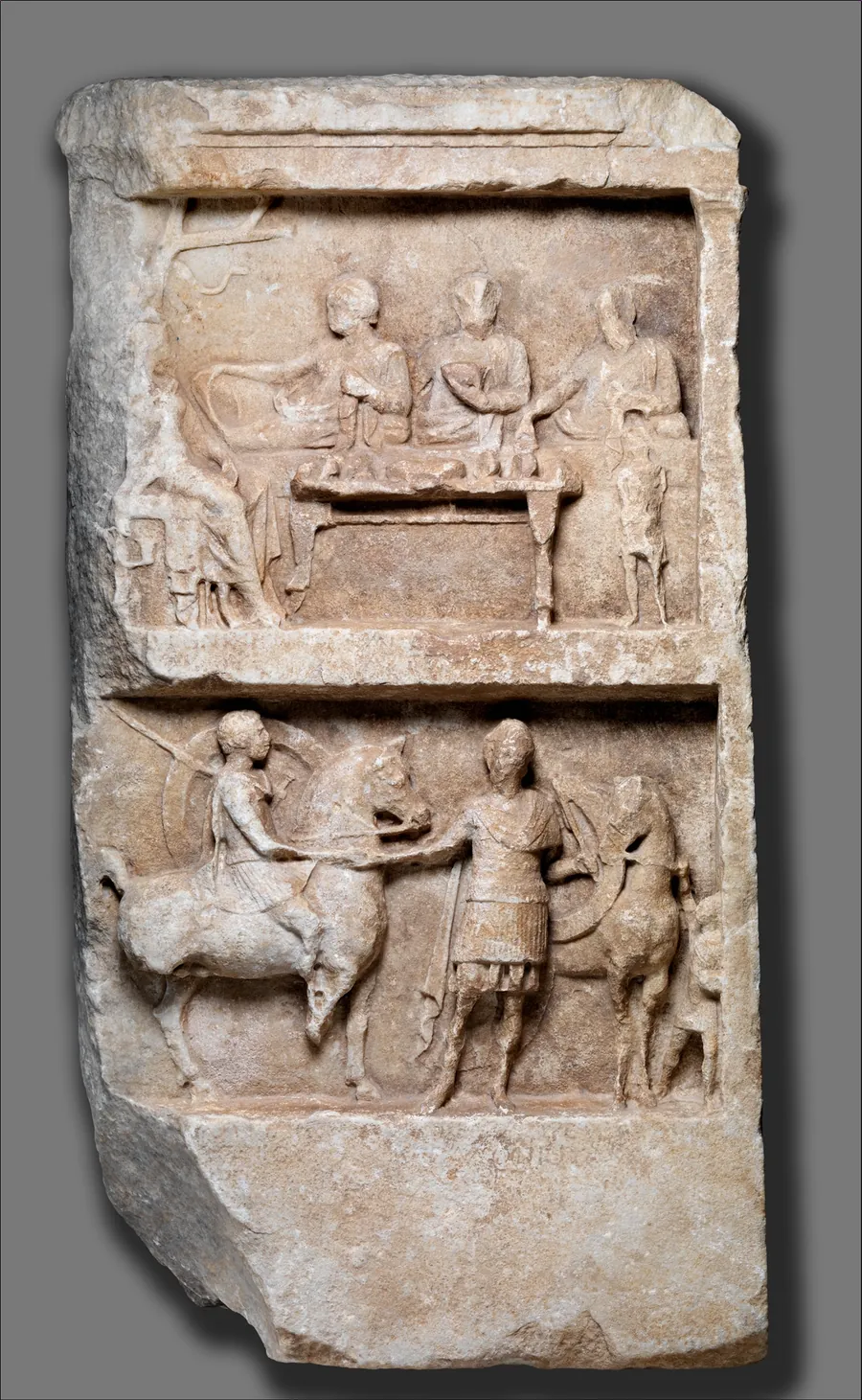
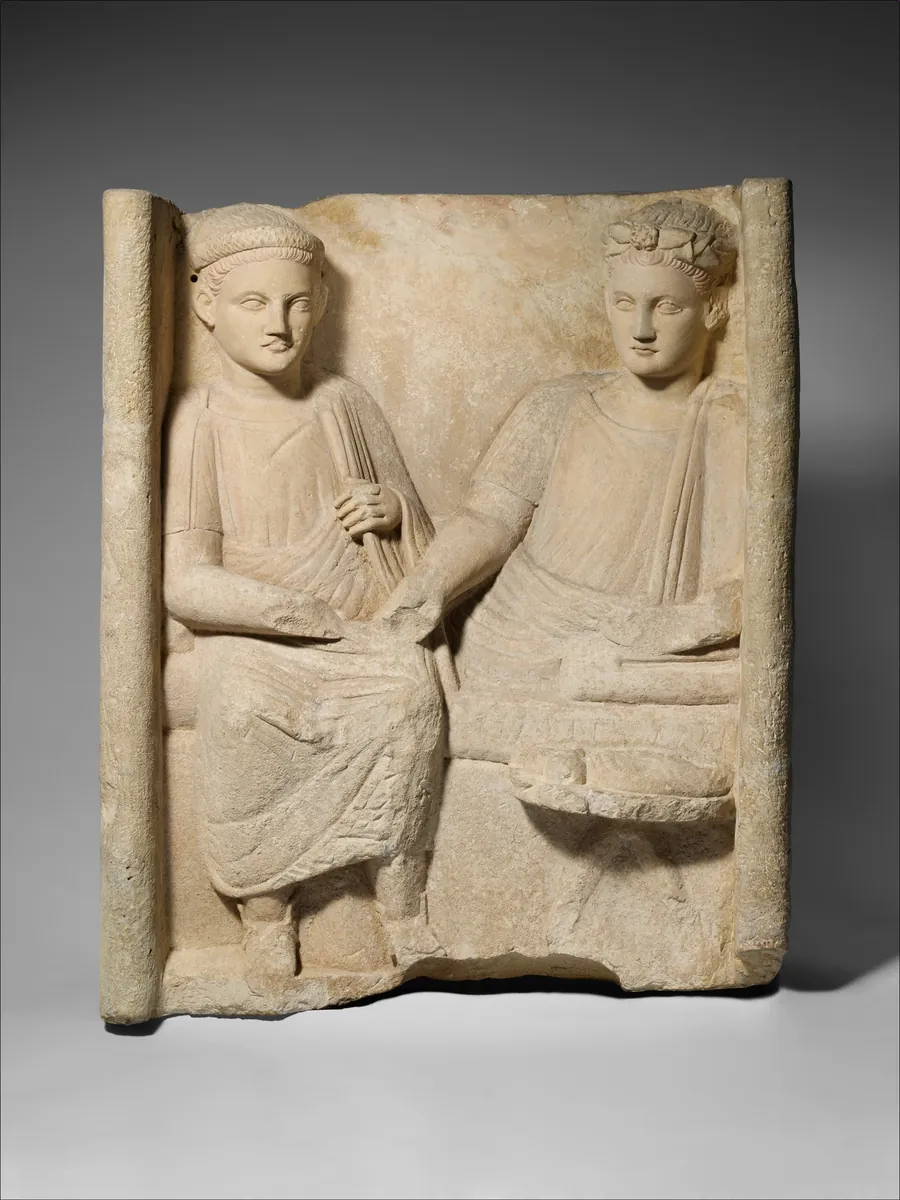
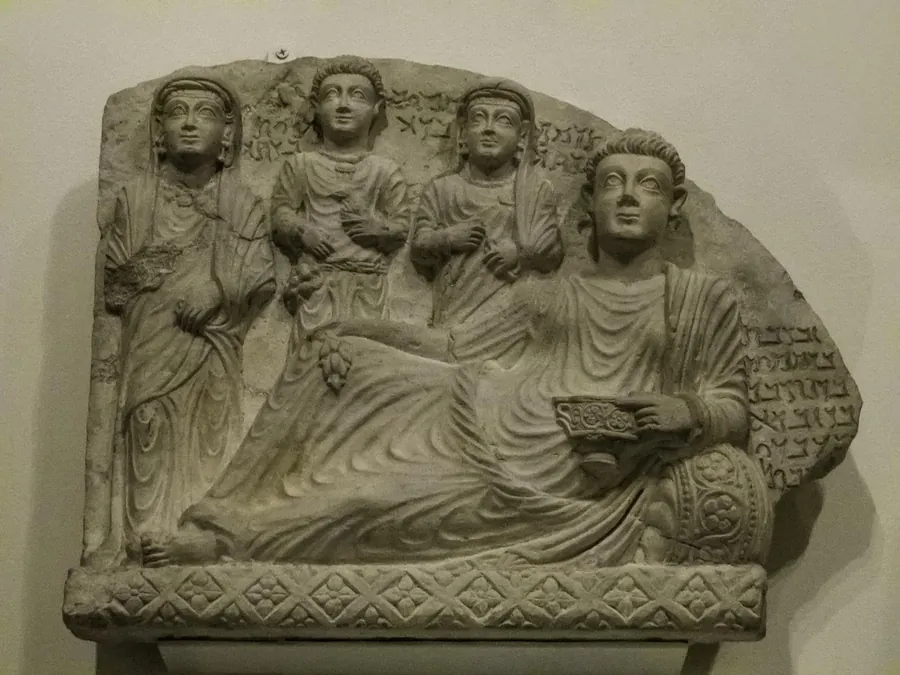
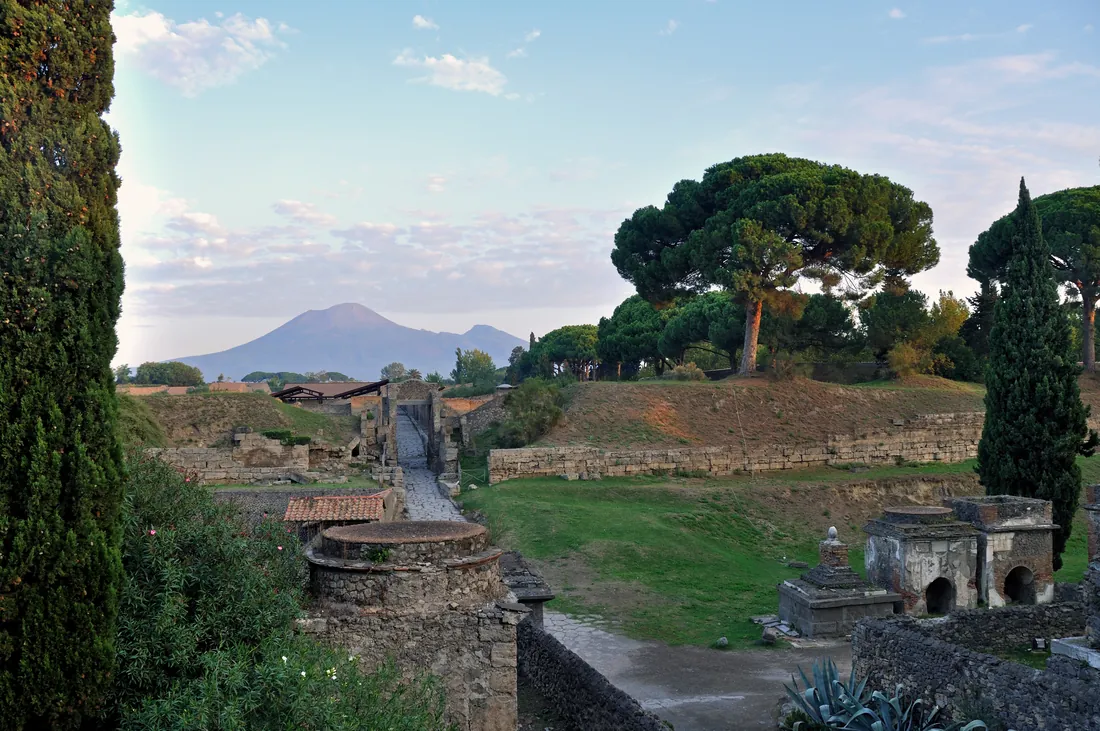
Romans ate at the grave on burial day (silicernium, after Varro, in Harpers); at Pompeii a triclinium funebre was found, the dining couch for remembering the dead.
Feralia, because “they bear”
The day is called Feralia because they bear (ferunt) offerings to the dead: the last day to propitiate the shades (Ovid, Fasti II, Kline translation).
Today: pomana
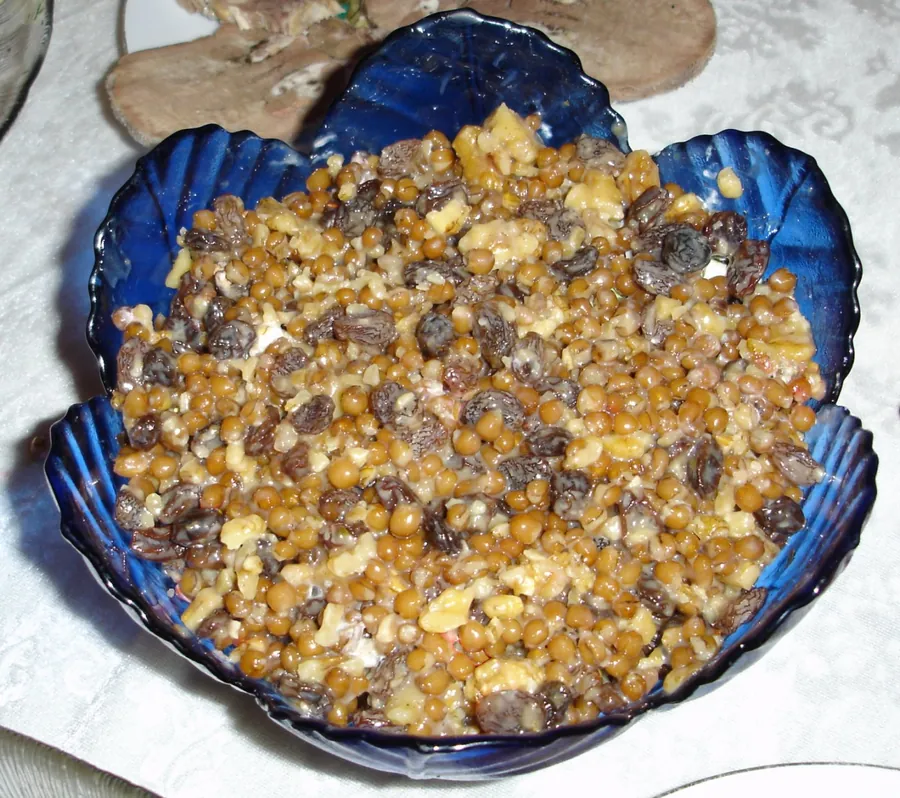
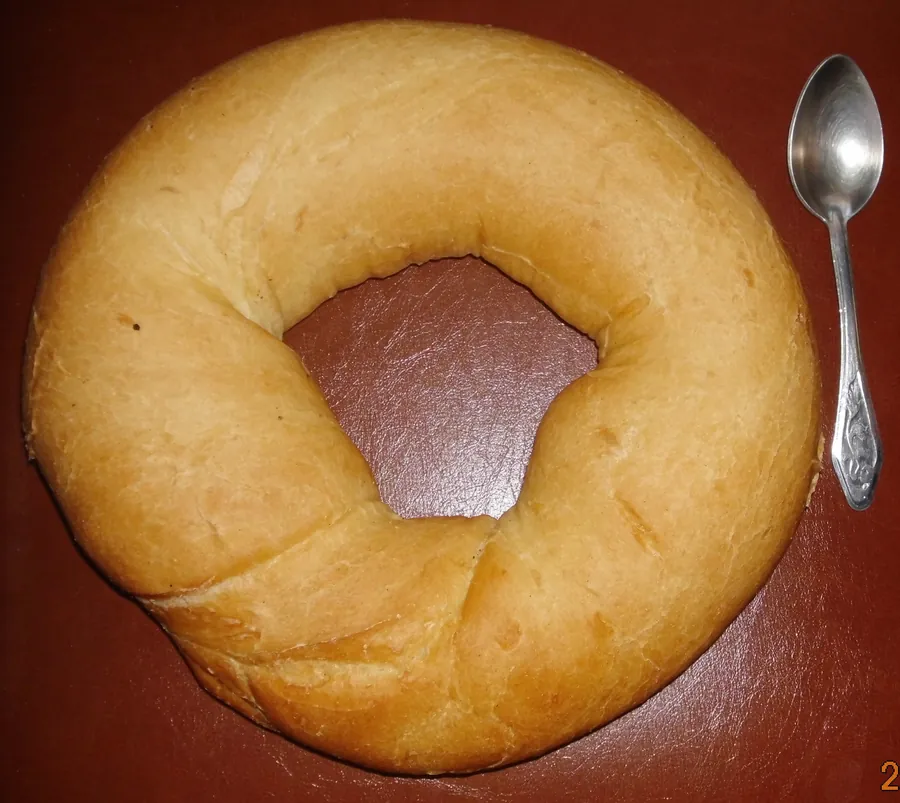
DEX: “Dar, danie, ofrandă … la iertarea păcatelor, la mântuirea sufletului” and “Masă care se dă după înmormântare sau după parastas”. MDA2 adds the memorial service for the dead, the meal at which the dead’s belongings are given to the poor, and the colac given at burials and parastase.
The ledger: what the living give, what the dead receive
WHAT THE LIVING GIVE
- offerings at the tomb (Feralia)
- pomana: gift and meal (today)
WHAT THE DEAD RECEIVE
- remembrance and propitiation (Ovid)
- forgiveness of sins, salvation of the soul (DEX)
The two columns stand side by side as documented practices, not as links in a chain.






The word travels
From the Slavic formula to today’s dictionary, the word lost two spaces and kept the whole prayer.
The formula
Bogŭ da prostitĭ
the Slavic prayer, three words
1746
Mărgăritare
the first written attestation, cited through TDRG
Today
bogdaproste
MDA2: one word, for pomana
Three words became one: the dictionaries record the result, not the process. MDA2 writes the headword joined and puts the Slavic formula at the etymology.
Today, at the table
Bogdaproste is said today when receiving pomana — CADE records it as the beggars’ formula, DER as their traditionally kept formula. That is all the dictionaries say about today’s use.
The whole formula, inside a tale
In the tale, a man begs pomana at Sur-Vultur’s sister’s house and receives it; his answer is the whole formula:
— Bogdaproste, da pomană să fie cui a făcut-o, iar Sur-Vultur să trăiască unde-o fi.



The receipt
Three beats: the living give, the receiver answers with the prayer, the receipt prints. Pick an offering, then play or walk the beats.
Pick an offering:
ROME · 21 FEB · Ovid, Fasti II · Beat 3 / 3
THE LIVING GIVE
The chosen offering is laid on the tomb, or given as pomana.
THE PRAYER
The receiver answers: Bogdaproste — “God forgive”.
THE RECEIPT
The lines print one by one; the PRIMIT stamp closes the transaction.
GIVEN Bread soaked in wine
PRAYED Bog da prosti
PRIMIT
The ← → keys move the beats.
“The oldest receipt” is an editorial metaphor: proof of the transaction between the living and the dead, not a date.

Decode the receipt
Four rounds, two offerings, two eras. Every round teaches one row of the sources.
1 Bread soaked in wine was laid on the tomb at…
That is right. Ovid lists bread soaked in wine among the Feralia offerings. (C09 · Ovid, Fasti II)
2 The colac is given…
That is right. MDA2: colac given at burials and parastase. (C07 · MDA2)
3 At the Feralia, the tomb received…
That is right. Ovid’s list: garlands, meal, salt, bread in wine, violets, prayers. (C09 · Ovid, Fasti II)
4 As pomana, today, people give…
That is right. Pomana is the gift and meal for the forgiveness of sins; the colac is its bread offering. (C06–C07 · DEX, MDA2)
Score: 0 of 4
The numbers
3→1
three Slavic words, one Romanian word — counted from the formula
1746
Mărgăritare: the first written attestation, cited by MDA2 through TDRG
Three myths
“Bogdaproste” means “thank you”.
No. “Thank you” is the function; the content is a forgiveness prayer for the dead.
It is the oldest Romanian thanks.
No. “The oldest receipt” is this page’s metaphor for the transaction proof; the first attestation is 1746 — late, not old.
It is a rustic thanks, interchangeable with mulțumesc.
No. It answers pomana — the gift and meal for the dead. The etymology of mulțumesc is another story.
Sources
Dictionaries first, then Rome, then the tale. Each row below is one page claim with its source.
| Row | Claim | Source |
|---|---|---|
| C01 | Bogdaproste is one word, the thanks for the one who gives pomana, from Bulg. бог да прости. | MDA2, on dexonline |
| C02 | The older BODAPROSTE / BODAPROSTI, said by beggars when given pomana; [vsl. bogŭ-da-prostitĭ]. | CADE (Scriban), on dexonline |
| C03 | Bogŭ da prostitĭ = “God forgive them (your dead)”; a beggars’ formula, only for pomana. | DER, after the educalingo mirror — text to verify |
| C04 | First attestation: 1746, Mărgăritare. | MDA2 (“ap. TDRG”), on dexonline |
| C05 | OCS prostiti = “to forgive”; *prostiti ← *prostъ + *-iti. | Wiktionary |
| C06 | Pomana: a gift for the forgiveness of sins and salvation of the soul; the meal after burial or parastas; the parastas. | DEX, on dexonline |
| C07 | The memorial service for the dead; the meal gifting the dead’s belongings to the poor; the burial colac. | MDA2, on dexonline |
| C08 | Parentalia 13–21 Feb, Feralia the last day; silicernium at the grave; triclinium funebre at Pompeii. | Harpers, Funus, on Perseus |
| C09 | The offerings: garlands, meal, salt, bread in wine, violets, prayers; Feralia ← ferunt. | Ovid, Fasti II, Kline translation |
| C11 | Thank ← *thankoz “thought; gratitude”, kin to think. | Etymology Online |
| C12 | The ISP. / RET. / NEGR. / CRG. witnesses, in CADE’s quotations. | CADE, on dexonline |
| C13 | “Bogdaproste, da pomană să fie cui a făcut-o…” — answering a received pomana. | Stăncescu, “Sur-Vultur”, on Wikisource |
| C14 | The engine’s offerings and beats: bread-in-wine → Feralia, colac → today’s pomana. | derived from C06–C09 |
| C15 | “The oldest receipt” is an editorial metaphor, not a date. | this page |
The method, briefly
The dictionary quotations are verified on dexonline; Rome is verified in Harpers and Ovid (Kline translation); the fragment is verified on Wikisource (Stăncescu, d. 1899, public domain). What the page leaves out, it leaves out for want of a cited source: the part-by-part gloss, the Slavic cognate pairings, the currency of today’s Bulgarian formula, and the bridge between pagan and Christian Rome.
Sibling pieces
- The tales, one by one — the full texts, at the basme sibling
- The carol that comes from calendae — another journey of a word
Type: Fraunces, Newsreader and Atkinson Hyperlegible, under the SIL Open Font Licence.