How to explain the resemblance?
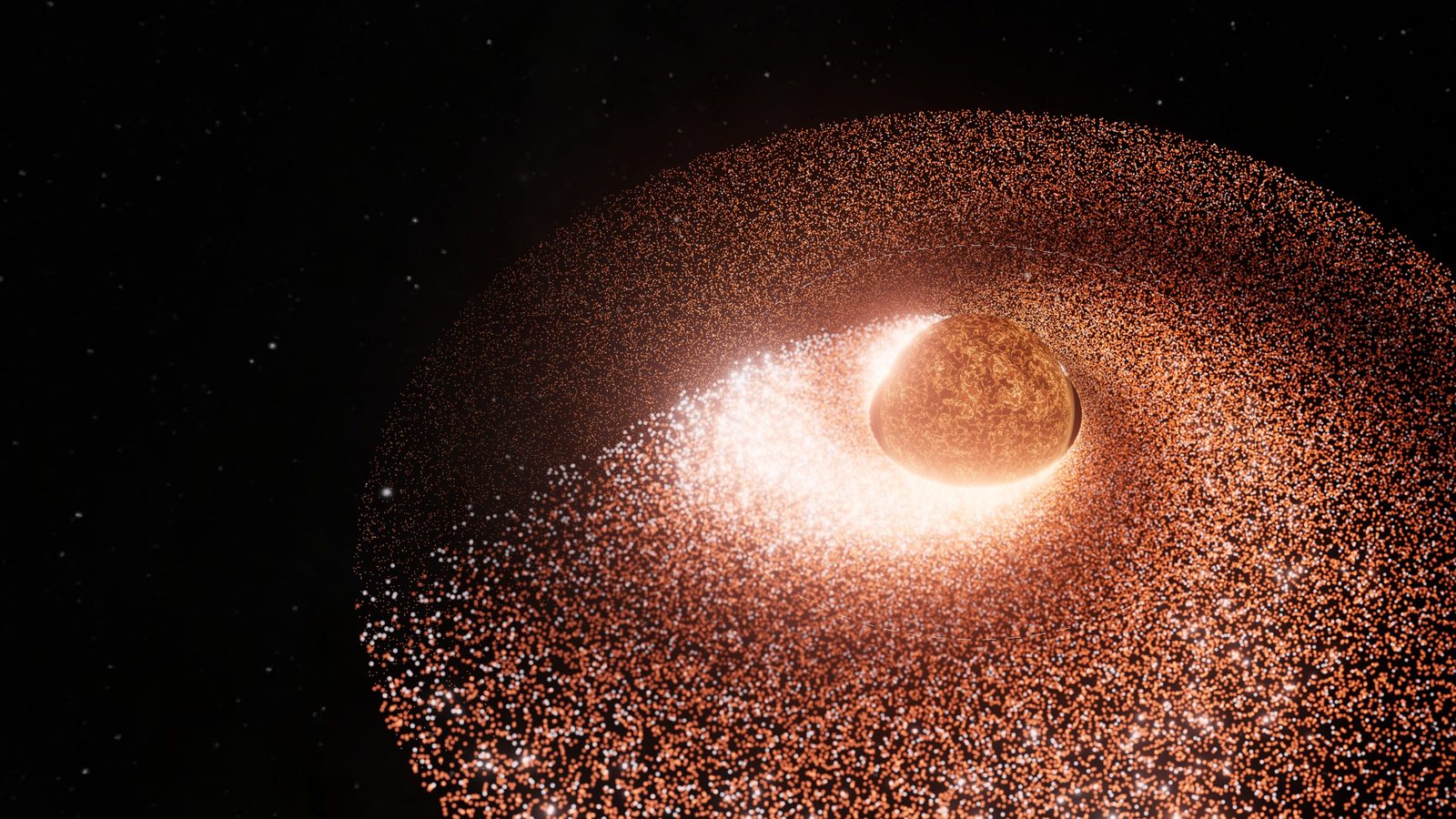
A Moon born in a cloud of vapour. In 2017 Simon Lock and Sarah Stewart gave the name synestia to a huge spinning cloud of vaporised rock shaped like a doughnut. In 2018 they and colleagues proposed that an impact far more violent than in the classic model made such a cloud, and that the Moon grew inside it from rock that condensed as the vapour cooled.
A fast-spinning Earth. In simulations Matija Ćuk and Sarah Stewart published in 2012, the Earth turned once every two to three hours before the impact. Then the blow could form a disc made mostly of the Earth’s own rock.
Several impacts. In 2017 Raluca Rufu and colleagues proposed a series of smaller hits, each leaving a small moon; merged, they would have made the Moon.
A Theia much like the Earth. In 2017 Nicolas Dauphas proposed that Theia probably formed from material with an isotopic make-up close to that of the young Earth.
A giant impact remains the most widely accepted explanation. Exactly how today’s Moon came out of it is still debated.