Chapter 9 · Health and biodiversityLesson 9.2
Disease vectors: agent, vector, reservoir and host, from the tick to the fox
A tick, a mosquito, a bedbug, a spider, a bird and a fox: which of them can carry a disease to humans, and how?
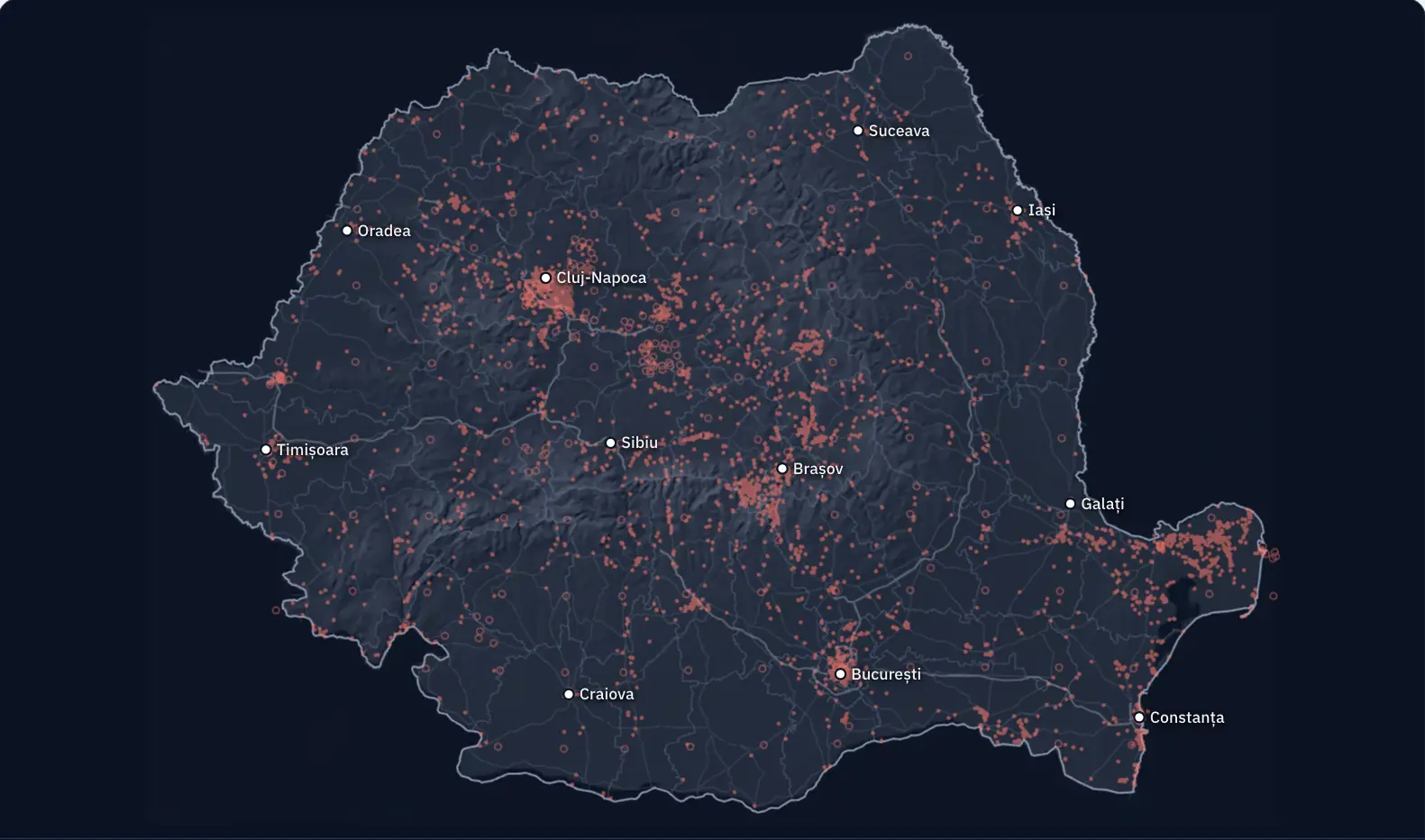
- Size
- from 19.5 km to 744 km
- Level
- population and ecosystem
- Time
- a decade of observations
Before you read: what do you think?
In the summer of 1996, hundreds of people in Bucharest and the Danube floodplain fell ill with West Nile fever. What passed the virus to them?
See the answer
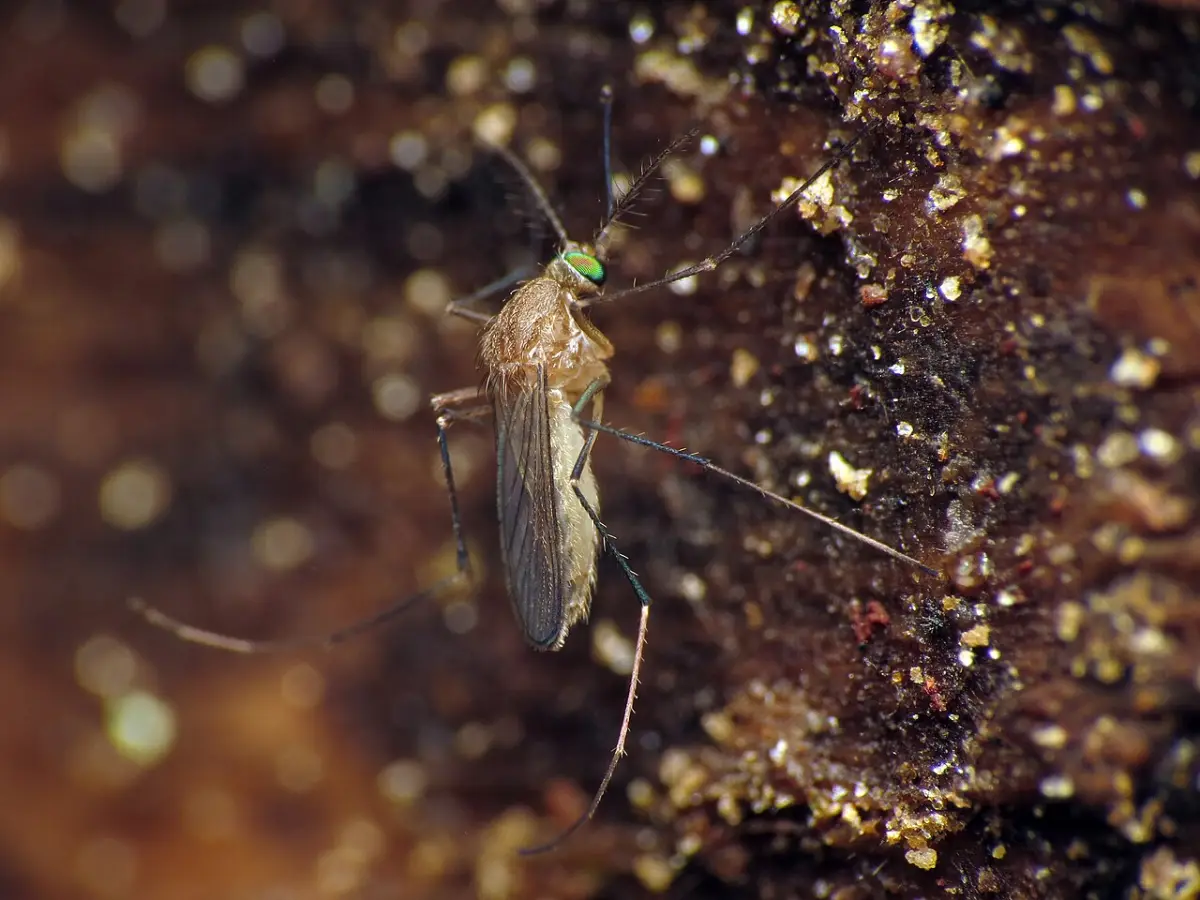
The mosquito Culex pipiens: the virus was isolated from it. Birds are the reservoir of the virus, and the mosquito picks it up from them; in 1996, 41% of the backyard poultry tested had antibodies, a sign that the virus had circulated through them as well. People are infected by the mosquito’s bite.
Vector-borne diseases account for more than 17% of infectious diseases and cause more than 700,000 deaths a year, according to the World Health Organization. The WHO’s list of vectors includes mosquitoes, ticks, fleas, lice, flies, triatomine bugs and freshwater snails. It does not include a single spider or bedbug, even though both bite people.
Four different roles: agent, vector, reservoir, host
The pathogen is the organism or virus that causes the disease, for example the plague bacterium. The vector is a living organism that transmits the pathogen from one person to another or from animals to humans, for example the flea. The reservoir is the organism or environment in which the agent normally lives and multiplies and from which it reaches new hosts, for example rodents in the case of plague. The host is the organism in which the agent lives at a given moment.
A host that becomes infected but usually does not pass the agent on is called a dead-end host. For West Nile virus, humans and horses are dead-end hosts: they can fall ill, but mosquitoes do not pick up the virus from them. Very rarely, the virus has passed from one person to another through organ transplants, blood transfusions or breast milk.
The vector is not the agent. The Anopheles mosquito is not malaria; it carries the protozoan Plasmodium, which causes malaria. And an animal that bites is not automatically a vector: it has to be shown that it transmits the agent to a new host.
Arthropods that are proven vectors
The tick Ixodes ricinus, which lives mainly in deciduous and mixed woodland, transmits the bacterium Borrelia burgdorferi, which causes Lyme disease, and the tick-borne encephalitis virus. Its larvae and nymphs feed mainly on small rodents and birds, the adults on large animals such as cattle and deer, and the tick often bites humans too.
Mosquitoes transmit different agents depending on the genus: Anopheles transmits malaria, Culex transmits West Nile virus, and Aedes transmits the dengue, Zika and chikungunya viruses and the yellow fever virus.
The body louse, which lives in clothing, transmits the bacteria that cause epidemic typhus, trench fever and relapsing fever. No disease is known to be transmitted by the head louse. The flea transmits the bacterium Yersinia pestis, which causes plague; its reservoir is rodents and other small mammals.
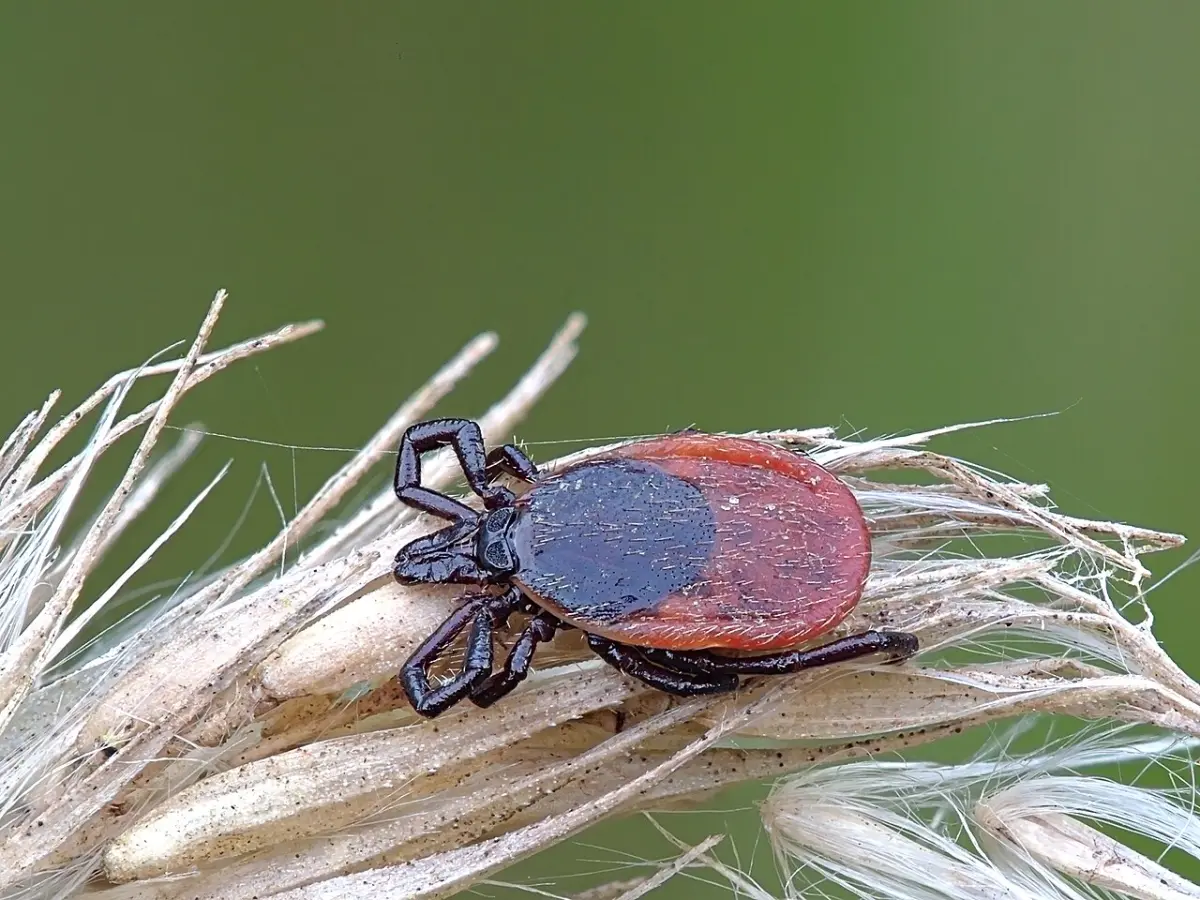
Photo: W.alter, CC BY-SA 4.0, source. Resized.


They bite, but they are not vectors: the bedbug and the spider
The US Centers for Disease Control and Prevention (CDC) states that bedbugs are not known to spread disease. Their bites cause itching and sleepless nights, and scratching can infect the skin. Other bugs, the triatomine bugs of the Americas, are vectors, however: they transmit the parasite that causes Chagas disease.
No spider appears among the WHO’s vectors. Some spiders have dangerous venom: the black widow has venom that acts on the nerves, and the brown recluse has venom that destroys skin tissue. Specialists at the Burke Museum in Seattle point out that there is no solid evidence that a spider has ever caused an infection by biting. A bite is a wound, and a wound can become infected later, like any scratch.
Evidence comes in steps: a bacterium found on an animal’s body shows that it is present; only proven transmission to a new host makes the animal a vector.
Birds and mammals: reservoirs of disease
Birds are the natural hosts of West Nile virus, which circulates between birds and mosquitoes. Wild waterbirds are the natural reservoir of avian influenza viruses; people are rarely infected, mostly through contact with infected birds, alive or dead, or with places they have contaminated, such as live bird markets.
Rabies is a viral disease of the nervous system that passes from animals to humans, that is, a zoonosis. In up to 99% of human cases, the virus comes from dogs; foxes, bats and other mammals carry it too. The virus is transmitted through the saliva of the sick animal, by a bite or a scratch, and once symptoms appear the disease is almost always fatal. It can be prevented by vaccination. After a bite, the WHO recommends washing the wound with soap and water for at least 15 minutes and going to a doctor immediately.
Strictly speaking, a rabid dog is not a vector: it is itself ill and transmits the virus directly. Birds and mammals are usually reservoirs or sources of the agent, and the vectors proper are mostly arthropods.
For the curious
Protection against vectors, according to the WHO and the ECDC (the European Centre for Disease Prevention and Control): long clothes and trousers tucked into socks in woodland and tall grass, insect repellent on bare skin, screens on windows and getting rid of the standing water in which mosquito larvae develop. The ECDC recommends checking your whole body after a trip into the countryside and removing ticks from the skin immediately. Do not touch sick or dead birds; report them to the veterinary authorities.
Worked example
The roles in the West Nile virus cycle
The problem: West Nile virus circulates between birds and Culex mosquitoes. Humans and horses are infected by the bite of an infected mosquito. Give each one its role.
Step 1, the agent: West Nile virus, which causes the disease. Step 2, the vector: the Culex mosquito, which picks up the virus when it bites an infected bird and can pass it on at a later bite. Step 3, the reservoir: birds, in which the virus multiplies and from which new mosquitoes are infected. Step 4, the dead-end hosts: humans and horses.
Check: if every person in a region disappeared, the virus cycle would carry on between birds and mosquitoes. If the mosquitoes disappeared, the virus would no longer reach humans by this route. That is why prevention targets the mosquito: standing water in the yard, barrels, old tyres, and protection against bites.
In Romania
West Nile in 1996 and vaccinating foxes from the air
Between 15 July and 12 October 1996, in Bucharest and in 14 counties of the Danube floodplain, 393 people had confirmed or probable West Nile infections; 352 had infections of the nervous system, and 17, all over 50, died. It was the first major West Nile fever epidemic in Europe. The virus was isolated from Culex pipiens mosquitoes, and 41% of the backyard poultry tested had antibodies.
Romania’s rabies eradication programme targets the fox. A 2017 report by the European Commission shows that, from the autumn of 2014, twice a year, in spring and autumn, aeroplanes and helicopters dropped vaccine baits, 25 per square kilometre. In 2011, 194 of the 1,304 foxes tested were positive for rabies; in 2016, only 4 of 8,443.
In short
- The pathogen causes the disease; the vector transmits it between hosts; the reservoir is the organism or environment in which the agent normally lives; a dead-end host becomes infected but usually does not pass the agent on.
- Proven vectors: the tick Ixodes ricinus (Lyme disease, tick-borne encephalitis), the mosquitoes Anopheles (malaria), Culex (West Nile) and Aedes (dengue, Zika), the body louse (epidemic typhus), the flea (plague).
- Bedbugs are not known to spread disease, and spiders are not vectors: some are dangerous because of their venom.
- Birds are the reservoir of West Nile virus and of avian influenza viruses; rodents are the reservoir of plague; dogs, foxes and bats transmit rabies directly by biting.
- Prevention targets the link that is easiest to break: protection against bites, standing water, ticks removed immediately, rabies vaccination of animals and going to a doctor after a bite.
Common mistakes
WrongThe mosquito is the agent of malaria.
RightThe agent of malaria is the protozoan Plasmodium. The Anopheles mosquito is the vector that carries it from one person to another.
WrongAny animal that bites, from the bedbug to the spider, spreads disease.
RightA vector must be proven to transmit an agent. Bedbugs are not known to spread disease, and spiders do not appear among the vectors; some are dangerous because of their venom.
WrongBirds bring West Nile virus straight to humans.
RightBirds are the reservoir. The virus reaches humans through the bite of the Culex mosquito, which became infected by biting a bird.
Check yourself
Seven questions. For the first six you see the explanation at once, with the paragraph of the lesson that supports it; for the written ones you compare with a good answer.
In the plague cycle, what role does the flea play?
Answer
c) Vector. The agent is the bacterium Yersinia pestis, the reservoir is rodents, and the flea transmits the bacterium to new hosts, so it is the vector.
What do medical sources say about bedbugs?
Answer
b) They are not known to spread disease; their bites cause itching. The CDC states that bedbugs are not known to spread disease. Chagas disease is transmitted by other bugs, the triatomine bugs of the Americas.
Which louse transmits epidemic typhus?
Answer
b) The body louse, which lives in clothing. The body louse transmits epidemic typhus, trench fever and relapsing fever. No disease is known to be transmitted by the head louse.
Why is a rabid dog not, strictly speaking, a vector?
Answer
b) Because it is itself ill and transmits the virus directly through its saliva. The dog is an infected host that transmits the virus directly by biting. The vectors proper are mostly arthropods that carry the agent between hosts.
In 2011, in Romania, 194 of the 1,304 foxes tested were positive for rabies. What percentage is that? Round to one decimal place.
%Answer
14.9 %. 194 ÷ 1,304 × 100 ≈ 14.9%. In 2016, after vaccination from the air, the percentage was 4 ÷ 8,443 × 100 ≈ 0.05%, even though more than six times as many foxes were tested.
Put each one into the role it plays in the cycle of its disease.
Answer
Pathogen: West Nile virus; Borrelia burgdorferi (Lyme disease); Yersinia pestis (plague).
Vector: The Culex mosquito; The tick Ixodes ricinus; The flea.
Reservoir: Birds, for West Nile; Rodents, for plague.
The virus and the bacteria cause the disease; the mosquito, the tick and the flea transmit them; birds and rodents are the organisms in which the agents normally live.
A classmate finds bacteria on the fangs of a spider caught at home and says: “That settles it, spiders spread disease.” What evidence is missing, and what real danger do spiders pose?
A good answer
Bacteria on the fangs only show that they are there. To call the spider a vector, it would have to be shown that the bacterium passes through the bite and causes infection in a new host, and no such solid evidence exists. The real danger of some spiders is their venom; a bite, like any wound, can become infected later.
A complete answer separates the presence of the agent from proven transmission and names venom as the real danger.
Terms
- vector
- A living organism that transmits a pathogen from one person to another or from animals to humans.
- reservoir
- The organism or environment in which a pathogen normally lives and multiplies and from which it reaches new hosts.
- dead-end host
- A host that becomes infected but usually does not pass the agent on, as humans are for West Nile virus.
- zoonosis
- A disease that passes from animals to humans, such as rabies.
- Lyme disease
- A disease caused by the bacterium Borrelia burgdorferi, transmitted by tick bites.
- epidemic typhus
- A disease caused by a bacterium transmitted by the body louse.
Sources and link to the programme
- WHO – Vector-borne diseases (fact sheet) – definition of a vector; more than 17% of infectious diseases, more than 700,000 deaths a year; the table of vectors (Aedes, Anopheles, Culex, ticks, fleas, lice, triatomine bugs, flies, snails) and their diseases; spiders and bedbugs do not appear; prevention measures
- WHO – West Nile virus (fact sheet) – the bird–mosquito cycle; birds as natural hosts; Culex pipiens as the main vector; humans and horses as dead-end hosts that do not spread the infection; very few human infections through transplants, transfusions and breast milk; prevention
- Tsai et al. – West Nile encephalitis epidemic in southeastern Romania, The Lancet, 1998 – 15 July – 12 October 1996; 393 confirmed or probable patients, 352 with infections of the nervous system, 17 deaths, all over 50; 14 counties of the Danube floodplain and Bucharest; the first major epidemic in Europe; virus isolated from Culex pipiens; 41% of backyard poultry with antibodies
- ECDC – Ixodes ricinus (vector factsheet) – transmits Borrelia burgdorferi (Lyme disease) and the tick-borne encephalitis virus, as well as Babesia; hosts of larvae, nymphs and adults; protective measures; “Remove ticks from your skin immediately”
- CDC – Body lice – the body louse transmits epidemic typhus, Bartonella quintana infection (trench fever) and relapsing fever
- CDC – Head lice – head lice do not transmit disease and are not considered a health hazard (“do not transmit any disease”)
- WHO – Plague (fact sheet) – Yersinia pestis; reservoir: small mammals, rodents; vector: fleas
- CDC – About bed bugs – bedbugs are “not known to spread diseases”; itching, lost sleep, possible skin infection from scratching
- WHO – Chagas disease (fact sheet) – triatomine bugs, vectors of the Chagas disease parasite in the Americas
- CDC/NIOSH – Venomous spiders – the venom of the black widow (neurotoxic) and of the brown recluse (destroys tissue); the page says nothing about disease transmission
- Burke Museum (Seattle) – Myth: Spiders cause infection with fangs – there is no solid evidence that any spider has caused an infection by biting; the wound can become infected later
- WHO – Influenza (avian and other zoonotic) (fact sheet) – wild waterbirds, the natural reservoir of influenza A viruses; human infection mostly through contact with infected birds, alive or dead, or contaminated places such as live bird markets; no sustained human-to-human transmission; sick or dead birds are not to be touched
- WHO – Rabies (fact sheet) – a viral zoonosis of the nervous system; dogs, in up to 99% of human cases; saliva, bite, scratch; almost 100% fatal after symptoms; preventable by vaccination; washing the wound with soap and water for at least 15 minutes and immediate medical care
- European Commission, DG SANTE – Report on the Romanian rabies eradication programme (2017) – foxes tested and positive: 1,304 / 194 in 2011, 8,443 / 4 in 2016; uninterrupted oral vaccination since the autumn of 2014; two campaigns a year, in spring and autumn; 25 baits per km²; distribution from aeroplanes and helicopters
From the programme: “Health education. Parasites – bacteria, protozoa, fungi, invertebrate animals; possible vectors of some diseases – arthropods (ticks, spiders, lice, bedbugs, mosquitoes), birds, mammals” (common core). Specific competences addressed: 2.2, 4.1, 4.2.