TWELVE WORDS YOU ALREADY KNOW
Why are you still counting in Latin?
Type OCTO, get OPT. Eleven numerals inherited from Latin, four sound laws and one disputed origin — plus the same quantity in three worlds of writing.
- 11 of 12
- have a Latin etymon in DEX
- 4 laws
- each with its name
- 1 intruder?
- sută's origin stays disputed
The sound machine
Type a Latin word and watch it turn Romanian, step by step. Each law has its own colour; turn one off and the derivation stalls.
Sound laws describe historical changes in sounds, not mechanical letter substitutions. The machine simplifies them to make them visible.
Legend
- LATIN FORM the classical form, for orientation — DUO, SEX, MILLE
- ETYMON the exact form the dictionary says the Romanian comes from
- RULE a documented sound change; the coloured law badges
- RECONSTRUCTED the starred form given by the dictionary — dui, sess — not the machine
- MODEL a stage added only for the didactic explanation
- UNSURE the exact path is not established by the sources used
How to read the machine
The machine works on written forms. Latin spelling marks neither stress nor vowel length, and every step wears its badge: rule, etymon, model or unsure path.
- OCTO
- CT → PT CT becomes PT
- *OPTO
- MODEL the ending falls
- OPT
- MODEL today's spelling
- opt
Laws discovered: 0 of 4
Steps wear badges: rule, etymon, model, unsure. Method
The machine knows
- DUI
- DUO
- SEX
- SOL
- *DUI
- DUAE
- OCTO
- SESS
- SUTA
- SUTĂ
- TRES
- UNUS
- *SESS
- DECEM
- MILIA
- MILLE
- NOVEM
- SOLEM
- CAMPUS
- CENTUM
- CINQUE
- SEPTEM
- SIGNUM
- QUINQUE
- QUATTUOR
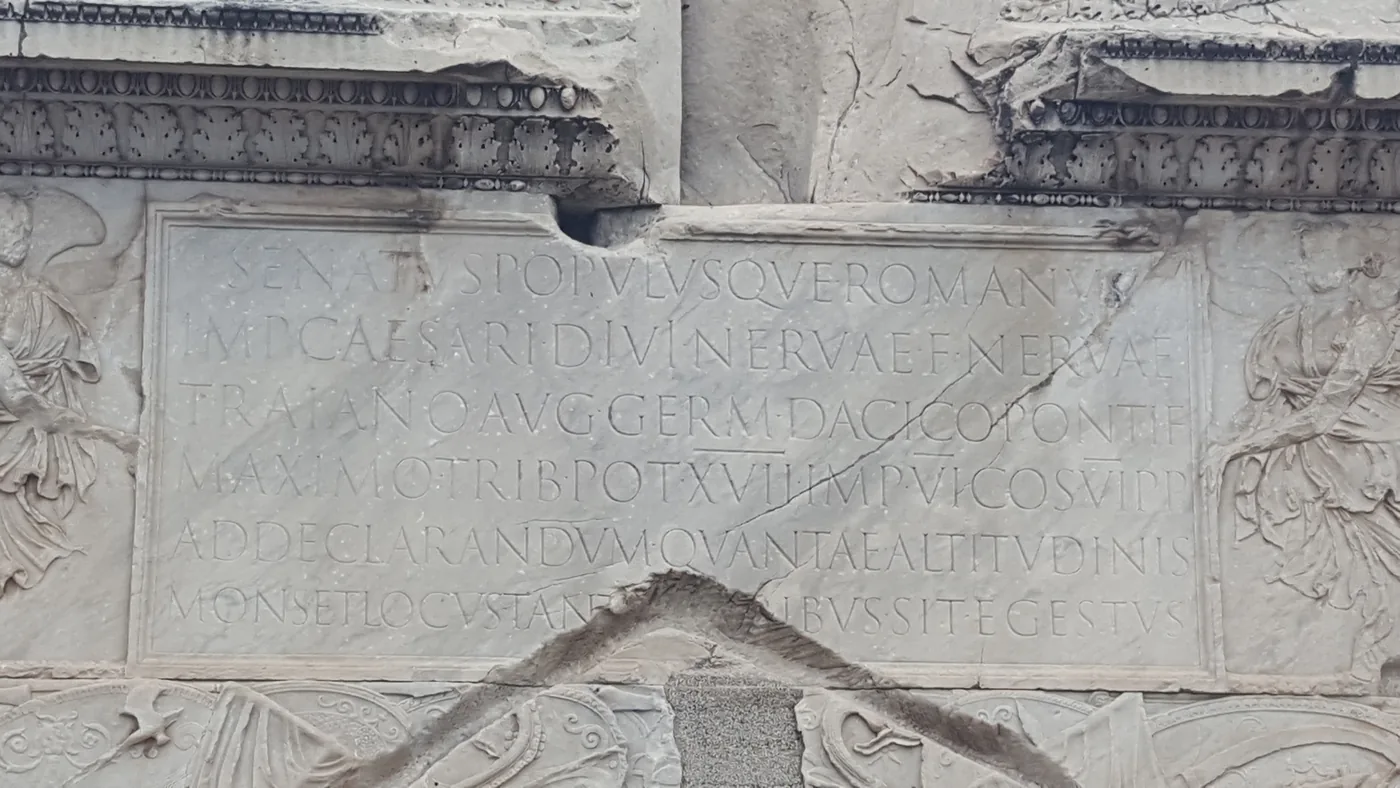

The twelve words
Eleven inheritances and one dispute
Each card shows the DEX etymon and the road to today's form. Control cards carry no named law: each step's badge says whether it is rule, etymon, model or unsure path. Pick a card to load it into the machine.
1
unu
CONTROLDEX’09: Lat. unus, -a.
- UNUS
- MODEL the ending falls
- UNU
- MODEL today's spelling
- unu
2
doi
CONTROLDEX’09: Lat. *dui, duae.
- DUO
- ETYMON the etymon as DEX gives it DEX gives *dui without saying how it formed; the machine shows only the etymon.
- *DUI
- UNSURE exact path unmodeled
- doi
The feminine
- DUAE
- MODEL today's spelling
- două
3
trei
CONTROLDEX’09: Lat. tres.
- TRES
- MODEL the vowel settles
- TREI
- MODEL today's spelling
- trei
4
patru
QU → P / CDEX’09: Lat. quattuor.
- QUATTUOR
- QU → P / C QU becomes P or C
- *PATTUOR
- MODEL the ending falls The double consonant simplifies and the ending wears away.
- *PATRU
- MODEL today's spelling
- patru
5
cinci
QU → P / CDEX’09: Lat. cinque (= quinque).
DEX gives the late form cinque.
- QUINQUE
- ETYMON late form, as DEX gives it
- CINQUE
- MODEL the consonant softens
- *CINCI
- MODEL today's spelling
- cinci
6
șase
CONTROLDEX’09: Lat. *sess (= sex).
DEX gives the late form *sess.
- SEX
- ETYMON late form, as DEX gives it
- *SESS
- UNSURE exact path unmodeled DER says the phonetics are hard to explain.
- șase
7
șapte
CONTROLDEX’09: Lat. septem.
- SEPTEM
- MODEL s turns to ș in this word
- *ȘEPTEM
- MODEL the ending falls
- *ȘEPTE
- MODEL the vowel settles
- șapte
8
opt
CT → PTDEX’09: Lat. octo.
- OCTO
- CT → PT CT becomes PT
- *OPTO
- MODEL the ending falls
- OPT
- MODEL today's spelling
- opt
9
nouă
CONTROLDEX’09: Lat. novem.
Three homonyms, with no proven link between them:
- nouă = nine (novem)
- nouă = new, feminine (novus)
- nouă = to us, dative (nos)
- NOVEM
- UNSURE exact path unmodeled noao is an attested old form (MDA2).
- noao
- MODEL the vowel settles
- nouă
10
zece
CONTROLDEX’09: Lat. decem.
The old form diace (MDA2) keeps the d sound.
- DECEM
- MODEL the consonant softens D becomes z; c sounds as ci before e, keeping its letter.
- *ZECE
- MODEL today's spelling
- zece
1000
mie
CONTROLDEX’09: Lat. milia (pl. lui mille).
DEX gives the plural milia.
- MILLE
- ETYMON the plural as DEX gives it
- MILIA
- MODEL the consonant softens
- *MIE
- MODEL today's spelling
- mie
100
sută
DEX’09: Et. nec.
Șăineanu (1929), a historical form of words: Slav. SŬTO (unicul numeral românesc de origină străină)
DER (1958–1966): Sl. sŭto — „trecerea lui ŭ › u este greu de explicat”.
DER and older dictionaries propose Slavic sŭto, but the sound change is disputed. And “the only numeral of foreign origin” is a 1929 form of words: zero, milion and miliard are late loans too.
The same quantity, three worlds of writing
From wax to comma-below
The words survived; the signs changed radically. The same quantity — seventy denarii — in three worlds of writing: wax, Cyrillic, Latin letters. Not the genealogy of one word: septuaginta is not the etymon of șaptezeci, which means literally “șapte zeci”, seven tens.
Tablet XI · the Alburnus Maior corpus · drawn up at Immenosum Maius · 20 May 164
On wax, in words
[denarios se]pt(u)aginta
Seventy denarii in wages, written in words, not figures.
Square brackets mark letters restored by editors. The corpus keeps twenty-five documents from the years 131–167.
Didactic reconstruction
In Cyrillic, under a titlo
О҃
The letter O with a titlo stands for seventy.
In the Cyrillic numeral system, different letters stood for units, tens and hundreds. О was worth 70; the titlo above marked its use as a number.
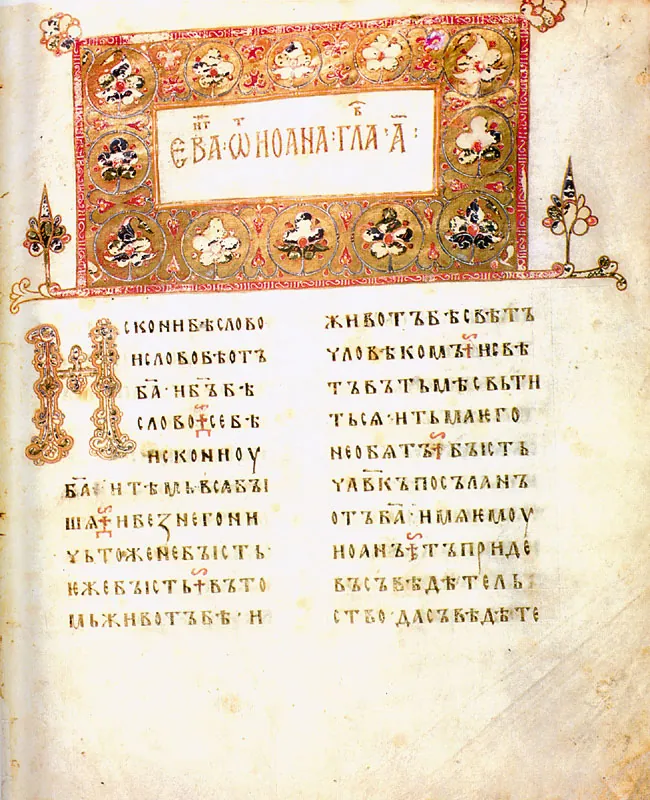

70 · seventy
Today, in Latin letters
70
Seventy, in Arabic figures and Latin letters.
The letter Ș: the Academy brought back â and sunt on 17 February 1993; comma-below ș entered Unicode 3.0 in September 1999, at Romania's request.
How the machine works, and where it stops
Three notes on the model, one disputed case, and what stays unsaid.
The model
- The machine works on written forms, not recorded sounds.
- Latin spelling marks neither stress nor vowel length, though the laws depend on them.
- Starred forms from DEX — dui, sess — are dictionary reconstructions; the other starred forms are model states, not attested words.
The disputed case
Sută has no established Latin etymon in DEX: the dictionary gives an unknown etymology. DER and older dictionaries propose Slavic sŭto, but DER itself says the sound change is hard to explain and mentions other hypotheses. In the selection one–ten, sută and mie, DEX gives a Latin etymon for eleven forms; for sută it gives an unknown etymology. The loan itself is natural — zero, milion and miliard are late loans too.
What we leave unsaid
- How masculine doi came from *dui, the sources do not say; we show only the etymon.
- Why nouă (nine) ends in -ă, the sources do not say; we show the three homonyms without claiming any link between them.
- Why *sess becomes șase, not even the sources say clearly: DER calls the phonetics hard to explain.
- The laws are cited at handbook level (Sala 1998; Rosetti 1986), with no page reference: check them in the cited editions.
In short: 1993 is â's year, 1999 the comma's.
Sources
Dictionaries first, then handbooks and tablets, then sibling pages. Every high-risk claim points at its source.
Dictionaries
- unu: DEX’09
- doi: DEX’09
- trei: DEX’09
- patru: DEX’09
- cinci: DEX’09
- șase: DEX’09
- șapte: DEX’09
- opt: DEX’09
- nouă: DEX’09
- zece: DEX’09
- mie: DEX’09
- sută: DEX’09 and Șăineanu
- semn: DEX’09
- soare: DEX’09 and Șăineanu
- câmp: DEX’09
- nou, noi: DEX’09 (the homonyms)
- număr, număra: DEX’09
- când: DEX’09 (the qu exception)
- șaptezeci: MDA2 (șapte + zeci)
Handbooks and laws
- Marius Sala, De la latină la română (1998)
- Alexandru Rosetti, Istoria limbii române (1986)
- Ovide Densusianu, Histoire de la langue roumaine (1938)
- Romanian numbers, overview (EN-wiki)
Tablets and writing
- The 20 May 164 contract, at actul-din-131
- Simion's transcription of the tablets (EN)
- Titlo, the line over Cyrillic numbers (Language Log)
- Cyrillic numerals, table (EN-wiki)
- The 17 February 1993 decision (Philologia, PDF)
- Unicode 3.0: the comma letters, ch. 7 (PDF)
- “At the request of the Romanian national body” (Unicode archive)
- U+021B in Unicode 3.0 (Compart)
Sibling pages
- actul-din-131: the wax tablets
- alfabetul-de-tranzitie: the years 1860–1862
- lapte-din-lactem: the game of rules
- cafeluta: o cafeluță, un cafezinho
Type: Fraunces, Newsreader and Atkinson Hyperlegible, under the SIL Open Font Licence.